Translon Symposium
At the Molecular Crossroads
A two-day meeting dedicated to the operational units of translation: translated regions of RNA — their regulation, architecture, ribosome-associated activities, products, detection, annotation, technologies, and representation in biological resources.
1 About
Modern translation biology has moved beyond a simple one-transcript, one-protein view. Multiple fields, including translatomics, proteogenomics, and comparative genomics, now point to a complex architecture of translated regions that can share the same RNA molecules. Beyond coding for proteins, these regions can contribute to regulation, generate short peptides or antigens, shape ribosome behaviour, or produce molecular outcomes whose functions remain unknown.
The term translon provides a shared conceptual unit for this diversity: a translated region considered as an operational unit of translation, independent of whether it produces a stable protein, a short peptide, an antigen, whether it serves a critical regulatory role or is phenotypically insignificant.
The symposium subtitle, At the Molecular Crossroads, reflects the central position of translons in gene expression. Translons connect RNA sequence and structure with ribosome dynamics, peptide and protein production with regulatory events, and molecular mechanisms with annotation and biological resources. They provide a way to discuss translation not only as a route to protein synthesis, but as a decision-rich process in which multiple molecular outcomes can emerge from the same RNA.
The symposium brings together researchers across RNA biology, translation regulation, ribosome profiling, proteomics, cancer biology, computational annotation, and biological data resources. The goal is to share perspectives on translated regions across the full path from molecular mechanism to biological consequence, detection technology, annotation, and community resources.
2 Speakers





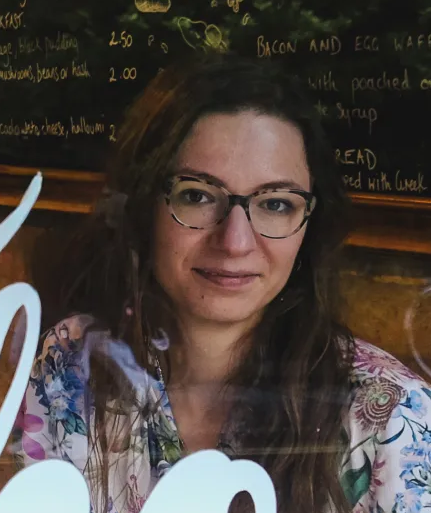
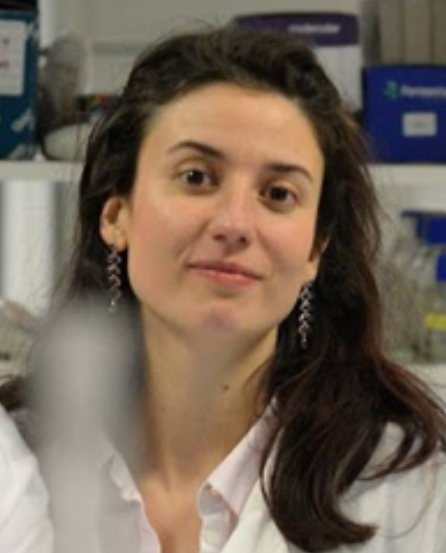


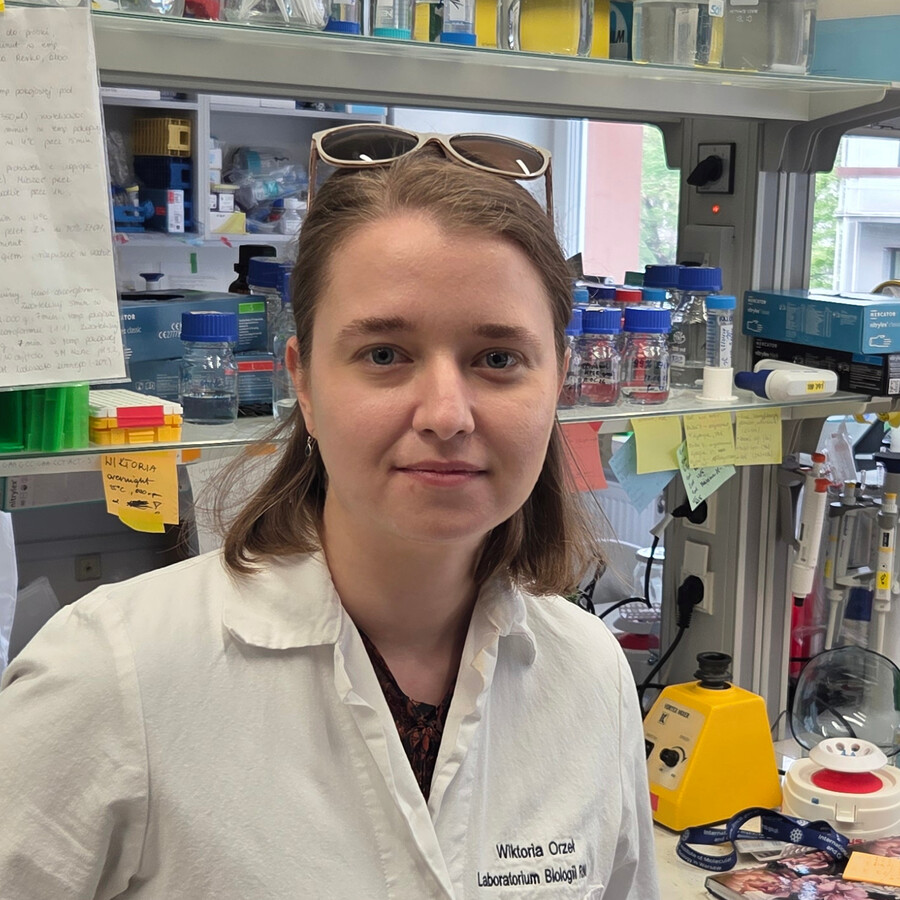




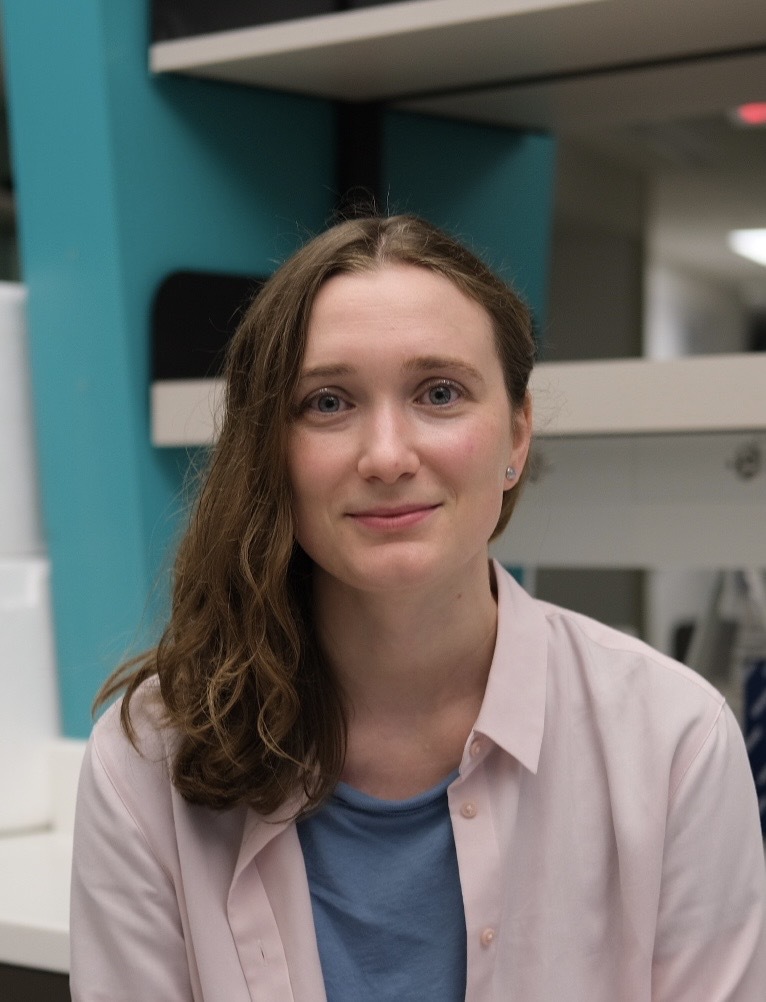

Organizers


3 Programme
The symposium will take place over two days, from Monday 29 June to Tuesday 30 June 2026, and will be organized around three thematic sessions.
1 Regulation & Architecture
Focus: translation initiation, transcript architecture, upstream and overlapping translated regions, regulatory RNA features, recoding, and context-dependent translon activity.
2 Ribosome & Outputs
Focus: nascent-chain biology, exit-tunnel events, pausing, stalling, elongation dynamics, termination, quality control, microproteins, peptides, antigens, therapeutics, and ribosome-mediated translon functions.
3 Annotation & Resources
Focus: reference annotation, databases, infrastructure, computational prediction, translated-region calling and community resources.
Monday, 29 June 2026
Ribosome profiling has revealed the extensive utilization of multiple start codons in eukaryotic mRNAs, including in humans. Translation initiation at these start codons results in the synthesis of proteoforms with alternative N-termini and also in translated regions (translons) not annotated as protein coding. Some of such enigmatic translons encode microproteins and immunopeptides while many function as critical elements of translation control that sense cellular environment. This regulatory function of translons is often independent of the polypeptide products encoded by them.
The emerging picture of RNA translation is in striking contrast with the current data structures for annotating protein coding genes in which a sequence of an RNA molecule could have only a single protein-coding sequence (CDS). To address this limitation, we developed a new abstract representation of mRNA translation termed Ribosome Decision Graphs (RDGs). RDGs allow for a biologically realistic representation of eukaryotic translation complexity, focusing on locations critical for translation regulation. RDGs can be used to depict the mutual organization of translons reflecting the interplay between their translation. RDGs can be used in the analysis of ribosome profiling data to identify critical regulatory events. They also can be used for the interpretation of genetic variants, enabling a mechanistic understanding of pathogenic variants occurring outside of CDS regions.
The cellular response to stress often includes translational downregulation, which is widely attributed to phosphorylation of eIF2α. Studies of UV-induced stress responses in fission yeast prompted a re-examination of the relationship between eIF2α phosphorylation and global translational repression. In this talk, I will discuss observations from fission yeast and mammalian systems that challenge this simple model of translation control, briefly touch upon emerging non-canonical links between stress signalling and translation, and present evidence linking translational responses to stress with actin cytoskeleton dynamics.
In BAG1 (BCL2-associated athanogene) mRNA, at least three start codons initiate translation within the main protein coding frame, generating protein isoforms with alternative N-termini. The efficiency of start site selection determines the relative abundance of these isoforms, which differ in their subcellular localisation and binding partners. Regulation of start site selection in BAG1 mRNA has been extensively studied under normal and stress conditions, revealing a complex interplay between RNA secondary structure and translon architecture.
Leveraging the recent wealth of aggregated ribosome profiling data, we identify a role for a 16-codon translon (nested within the 5′ region of the sequence encoding the longest BAG1 protein isoform, and upstream of the sequence encoding the shorter isoforms) in selection of translation initiation sites within the BAG1 protein coding frame. Aggregated ribosome profiling data reveal extensive translation of this short translon from the AUG most proximal to the 5′ end of BAG1 mRNA. Notably, the sequence conservation of this translon exceeds that of the BAG1 coding sequence across the first part of the coding region.
We show that translation of the conserved 16-codon translon exerts complex effects on start site selection in BAG1 mRNA. While its translation inhibits initiation at AUG1 in the BAG1 encoding frame, it also facilitates translation from AUG2 in the BAG1 encoding frame through reinitiation. In addition, the short translon appears to have a stimulatory effect on upstream CUG-initiated translation, as evidenced by TCP-seq data.
Taken together, we have characterised a highly conserved, efficient translon and we present evidence for its role in coordinating start site selection in BAG1 mRNA both upstream and downstream of itself.
Programmed ribosomal frameshifting expands coding capacity by allowing ribosomes to switch reading frame during translation. However, the sequence features that determine whether a potential frameshift site is utilized remain poorly understood. Here, we characterize two novel +1 frameshift signals in yeasts. First, we investigate a frameshift site identified at the KLMX_30357 locus in Kluyveromyces marxianus, which promotes efficient +1 frameshifting when tested in Saccharomyces cerevisiae. Mutational analyses revealed that efficient frameshifting depends not only on the heptameric shift site but also on a downstream enhancer element comprising a conserved di-proline motif and a predicted RNA secondary structure. Second, we describe a hybrid frameshift heptamer, GCG_A.GGC, combining features of the canonical TY1 and TY3 frameshift signals. In addition, genome-wide analysis of known frameshift heptamers and ribosome profiling data revealed numerous instances in which predicted frameshift signals do not exhibit detectable frame switching. Together, these findings demonstrate that the presence of a frameshift heptamer alone is insufficient to drive efficient recoding and highlight the critical role of local sequence context in determining frameshift utilization.
In addition to standard mechanisms, translation regulation also involves non-canonical events, including non-AUG initiation, stop-codon readthrough or programmed ribosomal frameshifting. These events result in the the production of protein variants with different characteristics, such as subcellular localization or function, thus expanding the translatome and the proteome diversity and regulating protein synthesis in different cellular or environmental conditions. The identification of such rare non-canonical events, which are more common than previously predicted, has been enabled by the availability of a growing number of Ribo-seq datasets.
Analysis of large Ribo-seq dataset collections for yeast Saccharomyces cerevisiae using the RiboCrypt browser revealed several unexpected findings. Notably, we observed a characteristic signature of translation termination on standard stop codons within the ORFs. The presence of specific termination signature enabled the detection of potential translation termination events in many protein-coding genes. Using standard biochemical assays, we have observed premature ribosome dissociation occurring in some cases with an efficiency as high as 40% and most often at positions near-cognate to stop codons. Our preliminary results suggest that the mechanism responsible for this phenomenon does not depend on ribosome release factors but to some extent is linked to Ribosome-associated protein Quality Control (RQC) mechanism.
The human transcriptome contains thousands of previously unannotated translons, yet functional validation lags behind the Ribo-Seq evidence for their translation. Standard CRISPR-Cas9 screens are poorly suited to these compact ORFs, where few targetable sites exist and frameshifting indels disrupt them stochastically and unpredictably. Base editing overcomes this by introducing precise point mutations - disrupting start codons or creating premature stop codons - without double-stranded DNA breaks. We first leveraged almost 4,000 Ribo-Seq libraries (Ribocrypt, protected repositories, and in-house data) to map human translation with tissue specificity and isoform resolution. Translons were called robustly using three independent callers with quality-feature-aware filtering and independent scoring, enabling an in-depth survey of contextual expression, evolutionary conservation, and co-expression via network analysis. We designed and optimised a versatile base-editing library targeting non-canonical start codons, benchmarking base editors and sgRNA design strategies for editing efficiency in a pilot screen, and scaled this to a targeted survey of all start codons across human tissues. Together, this pairs a transcriptome-wide translation map with a scalable platform for systematic functional dissection of translons.
In the cell, proteins begin to fold co-translationally as they emerge from the ribosome's exit tunnel during biosynthesis. This process is fundamental to cellular homeostasis; disruptions can drive protein misfolding, which is implicated in severe pathologies including cystic fibrosis, alpha-1 antitrypsin deficiency, and a wide spectrum of protein aggregation diseases. Despite its critical importance, co-translational folding (co-TF) remains poorly understood, as capturing high-resolution structural data using experimental methods alone is a significant challenge. Consequently, integrating accurate computational techniques with experimental data is crucial. Furthermore, because most of our current understanding stems from E. coli, there is a significant knowledge gap regarding evolutionary variations in ribosome structure and their impact on co-TF. In my talk, I will describe an integrative structural biology approach to study co-TF, combining molecular dynamics (MD) simulations with structural restraints from NMR data and cryo-EM maps. I will also demonstrate how we can use bioinformatics and MD simulations to analyse ribosome heterogeneity and its influence on nascent chain pathways inside the ribosomal tunnel. Ultimately, this research sheds light on the intricate dynamics of co-TF and paves the way for a deeper understanding of how evolutionary variations in the ribosome shape protein folding across different organisms.
Circular RNAs (circRNAs) are endogenous RNA transcripts characterized by intrinsic resistance to exonucleolytic degradation, resulting in prolonged intracellular stability compared to linear mRNA. Although endogenously expressed circRNAs are typically non-coding, flaws in statistical analyses may have in some cases falsely classified a subset of circRNAs as protein-coding, underscoring the importance of rigorous evaluation of the coding potential of non-canonical RNA species.
However, recent advances in circRNA engineering have enabled effective cap-independent translation of circRNAs and positioned the circRNA technology as a promising next-generation therapeutic modality capable of durable protein expression at low doses.
At Circio, we are developing circVec, a modular gene expression platform engineered to enhance payload expression through intracellular generation of protein-coding circRNA. circVec leverages spliceosome-mediated circRNA biogenesis from viral and non-viral DNA vectors, enabling sustained gene expression through the intrinsic stability and exonuclease resistance of circRNA transcripts. Systematic optimization of circVec architecture identified key regulatory elements that markedly improve expression efficiency. The latest-generation construct, circVec4.0, achieves up to 37x higher protein expression compared with early constructs and outperforms conventional linear mRNA expression vectors (mVec) in both expression magnitude and durability.
In vivo, circVec enables robust, dose-dependent enhancement of AAV transgene expression across tissues, serotypes, and promoters. In both heart and eye, circVec-AAV vectors yield markedly higher luciferase expression than mVec-AAV across all dose levels with a significant increase of RNA steady state levels. These findings indicate that the enhanced expression is driven primarily by increased RNA stability and transcript accumulation rather than improved transduction efficiency. Moreover, circVec shows higher on-tissue expression, likely due to reduced circRNA stability in the liver, and despite the enhanced expression profile, cellular stress pathways, such as the unfolded protein response (UPR), are unaffected or less activated compared to the benchmark mVec-AAV.
The therapeutic efficacy of adeno-associated virus (AAV) gene therapy is often constrained by inefficient and variable transgene expression, necessitating high clinical doses which can cause severe toxicities and narrow the therapeutic window. However, by using circVec-based AAV gene expression as a next-generation gene therapy platform, may enable substantial transgene expression enhancements with reduced cellular stress and dose reduction potential, supporting the development of safer and more effective therapies for rare and chronic diseases, particularly within the heart and eye.
TENT5 proteins function as non-canonical poly(A) polymerases that selectively re-adenylate mRNAs encoding secreted proteins, enhancing their stability and translation. Following our previous work on TENT5 function in immunity, we investigated how TENT5A influences the efficacy of mRNA therapeutics. Using primary macrophages and vaccines encoding viral and parasitic antigens, we assessed mRNA poly(A) tail dynamics, antigen output, and immune response. We also evaluated the spatial dependency of re-adenylation in the endoplasmic reticulum (ER) by disrupting the interaction with FNDC3, a docking protein critical for TENT5A localisation. Upon delivery, TENT5A-dependent re-adenylation enhanced mRNA stability, resulting in increased antigen production and elevated IgG levels. The ER localisation of TENT5A via FNDC3 proved essential for this process, highlighting a previously unrecognised spatial dimension of post-transcriptional regulation. To further explore translational outcomes, we applied the ribosome profiling (Ribo-seq) method to quantify ribosome occupancy and distribution across different mRNA constructs. Interestingly, our Ribo-seq data revealed distinct translational dynamics between two clinically approved SARS-CoV-2 vaccines, suggesting that subtle differences in mRNA design affect translational efficiency in vivo.
Eukaryotic cells adjust biochemical pathways in response to environmental stress, stalling energetically costly processes such as protein synthesis and ribosome biogenesis. Ribosome biogenesis occurs within the multiphase nucleolus, which contains distinct layers corresponding to rRNA transcription, processing, and assembly. While nucleolar perturbations induced by drugs and optogenetic gelation impair ribosome biogenesis, it remains unclear whether nucleolar properties are actively tuned in response to metabolic cues. Here, we show that cells adjust ribosome biogenesis to physiological needs by remodeling nucleolar material properties. Live-cell imaging reveals a tight relationship between the dynamics of the major nucleolar scaffolding protein NPM1 and nutrient availability. Under nutrient deprivation, NPM1 becomes enriched within the nucleolus, indicating enhanced phase separation and a more gel-like state. This change is accompanied by retention of ribosomal intermediates, reduced rRNA diffusivity, and contraction of nucleolar meshwork. Mechanistically, these changes are linked to cellular ATP levels, which broadly affect the energetically demanding process of ribosome biogenesis. Upon nutrient reintroduction, nucleolar composition recovers within minutes, indicating active regulation. Together, our findings reveal that nucleolar material properties are dynamically remodeled by cellular energy levels, linking phase separation to metabolic control of ribosome biogenesis.
Cellular translation undergoes dynamic changes in response to environmental conditions, leading to the production of diverse proteoforms, often synthesized by non-canonical translation. Identification of such rare translation events has recently become possible thanks to the availability of a growing number of ribosome profiling datasets. Using Ribocrypt.org we identified genes that, through translation initiation at non-AUG codons, generate N-terminally extended (NTE) protein variants containing mitochondrial targeting signal (MTS) in their NTE. This analysis identified components of the LSM complexes that normally localize to the nucleus (Lsm2-Lsm8) or cytoplasm (Lsm1-Lsm7). We confirmed that all Lsm proteins, except Lsm6, are indeed targeted to mitochondria. We focused on Lsm1 because its alternative NTE isoform contains a strong MTS, and several uORFs in the LSM1 5’UTR are translated, suggesting uORF-mediated translation regulation. In addition, deletion of LSM1 impairs yeast respiratory growth.
To assess the biological relevance of these observations, we generated a set of constructs expressing different LSM1 variants carrying specific changes in the 5’UTR, start codons and NTE-MTS. We checked mitochondrial localization of the resulting proteins and their impact on respiratory capacity and thermosensitivity. These tests confirmed that the Lsm1 NTE is responsible for its mitochondrial targeting, and showed that elements within the LSM1 5’UTR contribute to the LSM1-dependent thermotolerance. This demonstrates that translatome analyses enable systematic exploration of an alternative cellular proteome that shapes adaptation to changing environmental conditions.
Tuesday, 30 June 2026
Advances in ribosome profiling, proteogenomics and immunopeptidomics have revealed a vast population of translated molecules that remain largely invisible to gene annotation. Although experimentally detected, they lack sufficient evidence to be classified as proteins under current frameworks. To address this component of the ‘dark proteome’, we recently proposed the term peptidein: an experimentally detected translation product for which biological function cannot yet be confidently inferred.
Where do peptideins come from? The majority identified thus far originate from regions of the genome that have historically been viewed as non-coding, particularly the 5′ untranslated regions (5′ UTRs) of mRNAs, where thousands of upstream open reading frames (uORFs) are now known to be translated in human. Thus, I will argue that understanding peptideins requires a broader framework for understanding transcript architecture. The 5′ UTR is not merely a regulatory sequence positioned upstream of a coding sequence (CDS). Rather, it is a dynamic translational compartment whose structure is determined by transcription start site (TSS) selection, alternative splicing and the translation of upstream open reading frames (uORFs). Together, these processes generate alternative transcript leaders with distinct translational properties, allowing a single gene to occupy multiple translational states.
Particular emphasis will be placed on the relationship between transcription start site (TSS) switching and uORF translation. By modifying the sequence encountered by the scanning ribosome, alternative transcript architectures can alter both the translation of canonical proteins and the expression of 5′ UTR-derived translons. This creates a direct link between transcript architecture, protein dosage control and the production of peptideins. I will discuss evidence suggesting that such mechanisms are widespread throughout the human genome and may represent a fundamental - yet still largely underappreciated - layer of gene regulation.
Finally, I will explore the implications of this framework for evolution and disease. The 5′ UTR appears to provide a fertile substrate for the emergence of novel CDS, with peptideins potentially representing evolutionary intermediates between regulatory translons and established proteins. At the same time, dysregulation of transcript architecture is increasingly implicated in cancer and other diseases, creating new opportunities for biomarker discovery and immunotherapeutic targeting. Collectively, these observations suggest that the hidden coding landscape of the 5′ UTR is not a biological curiosity, but a major source of proteomic and functional diversity whose significance is only beginning to be understood.
Large-scale translatomics initiatives, including TransCODE, are rapidly expanding our view of translation across genomes and transcriptomes. At the same time, reference annotation projects such as Ensembl/GENCODE face growing challenges in how these signals can be consistently represented within existing genome annotation frameworks. While current annotation models were largely developed around relatively stable CDS structures, translatomics data increasingly reveal complex and overlapping translational landscapes that are difficult to capture using CDS-centric models.
In this talk, I will discuss challenges associated with integrating translation-aware annotation into large-scale genome resources. These include the representation of overlapping and alternative translated regions, transcript-specific translational outcomes, evidence integration, and the relationship between structural translation annotation and downstream biological interpretation.
I will present ongoing work within Ensembl/GENCODE and the broader TransCODE initiative towards more explicit representation of translation within reference annotations. This includes the use of translons as structural annotation units for translated regions and the development of Ribosome Decision Graphs (RDGs) as a framework for representing interacting and context-dependent translational architectures within transcripts. Together, these efforts aim to support richer and more scalable integration of translatomics data into future genome annotation resources.
The information in an mRNA transcript is decoded by the ribosome in order to create proteins. The advent of ribosome profiling has shown that a single transcript may have multiple alternative start sites which lead to transcripts with complex translon architectures. Each translon can serve to produce a functional peptide, regulate the translation of other translons or may even perform both functions. Ribosome Decision Graphs (RDGs) (Tierney et al., 2024) allow the representation of the choices of a ribosome as it reads a transcript, by presenting translon architecture as a single graph object. Here we present Dynamic RDGs as an update to this concept. These extend the usefulness of the original RDGs by providing information about the proportion of ribosomes that choose a particular path. They differ also by considering the particular state and nucleotide position of the ribosome as a unique position in a theoretical ribosomal phase space. Paths of ribosomes are mapped onto this space, which can be infinitely extended to include all possible states of the ribosome. We show how this framework can be used to model the progression of ribosomes through different states as they move along the transcript. We also present a package that enables the easy generation, manipulation and visualisation of these graph structures.
Ribosome profiling (RiboSeq) provides a nucleotide-resolution snapshot of ribosome movement along transcripts. Because ribosomes decode mRNA in three-nucleotide increments, translation is expected to exhibit a characteristic three-nucleotide periodicity corresponding to the translated reading frame. In practice, however, this periodicity is often weak or obscured due to experimental biases introduced during library preparation, sequencing, and downstream processing steps such as A-site assignment. Furthermore, simultaneous translation of overlapping reading frames can produce composite signals that complicate the identification of bone-fide translated regions, many of which play important regulatory roles and contribute to cellular stress responses.
To address these challenges, we developed two complementary algorithms, RiboScout and RiboRefine, that exploit translation signatures learned from predominantly non-overlapping translated regions. RiboFrame uses these signatures together with local RiboSeq profiles as input features to a random forest classifier for identifying translated reading frames. RiboRefine uses the same learned signatures to optimize a linear transformation that suppresses systematic noise while preserving biologically meaningful translational patterns.
Using synthetic datasets that emulate RiboSeq signals, both methods demonstrate strong performance. RiboScout accurately identifies translated reading frames, while RiboRefine substantially enhances periodic translation signals without distorting underlying ribosome occupancy trends. Together, these approaches provide a framework for improving the interpretation of ribosome profiling data and facilitating the detection of internal and overlapping ORFs that may otherwise remain hidden within noisy translational landscapes.
JASPAR and UniBind are open-access FAIR resources that support the investigation of transcriptional regulation and its downstream impact on gene expression. JASPAR provides a curated, non-redundant collection of transcription factor (TF) binding profiles, represented as position frequency matrices (PFMs) and deep learning models derived from experimental data across species. UniBind builds on JASPAR and provides genome-wide maps of TF-DNA interactions, generated by uniformly processing large-scale ChIP-seq datasets to produce high-confidence TF binding site annotations across diverse cell types.
Together, these resources bridge sequence-level binding preferences with in vivo TF binding, facilitating the study of transcriptional regulation in different cellular contexts. By enabling precise mapping of TF-bound regulatory elements, JASPAR and UniBind support analyses of how transcriptional programs are established and modulated, ultimately shaping mRNA abundance and influencing translational output. Their accessibility, interoperability, and regular updates make them valuable tools for dissecting gene regulatory mechanisms
Moving CRISPR from basic discovery to research in the RNA space, requires tools that prioritize precision, safety, and lab-ready outputs. This talk provides a rapid overview of the crisprtools.org suite, a free, interconnected ecosystem designed to solve daily genome engineering bottlenecks. We will briefly highlight how to move from rapid guide design (CHOPCHOP) to rigorous, bulge-aware safety screening (CHOPOFF), and demonstrate automated, nuclease-resistant HDR template generation for precision edits (SNIPSNP). Highlighting utility for RNA translational research, we will also showcase Dual Cas13a, a specialized tool for building highly mismatch-sensitive RNA detection and diagnostic assays. Finally, we will introduce OVERHANG, a dedicated platform for community troubleshooting. Attendees will discover how to quickly integrate these tools to save time and improve experimental outcomes at the bench.
4 Practical Information
📍 Venue
Bikuben, Kristine Bonnevies Hus
Department of Biosciences
University of Oslo
Oslo, Norway
🚆 Getting There
Easily accessible via public transport from central Oslo and Oslo Airport.
Route from Oslo Airport
✉️ Contact
For questions, please contact:
michal.swirski@ibv.uio.io